

Is Garlic Safe for Dogs? Understanding Garlic Toxicity
Garlic is a common ingredient in many households, known for its potential health benefits and flavorful contributions to culinary dishes. However, for dog owners, the question arises: Is garlic safe for dogs? Understanding the potential toxicity of garlic to canines is crucial for ensuring their well-being. While garlic contains compounds that may offer benefits, it is essential to recognize that garlic can be toxic to dogs if consumed in inappropriate amounts. This article delves into the intricacies of garlic toxicity in dogs, highlighting what makes it harmful, the toxic thresholds, and the symptoms of garlic poisoning.
Understanding Garlic Toxicity

Garlic, a member of the allium family, contains thiosulfate, a compound that is toxic to dogs. Unlike humans, dogs lack the digestive enzymes to break down thiosulfate effectively, leading to its accumulation and potential damage to the red blood cells. This damage can result in hemolytic anemia, a serious condition where red blood cells are destroyed faster than they can be produced. The effects of garlic on dogs can vary widely, with some dogs being more sensitive to garlic toxicity than others. It is crucial for dog owners to be aware that even small amounts of garlic can pose a risk to their pets.
What Makes Garlic Toxic to Dogs?
Garlic contains several sulfur compounds, including thiosulfate, which is primarily responsible for its toxicity in dogs. When a dog consumes garlic, these compounds can cause oxidative damage to the red blood cells, leading to hemolytic anemia. The garlic may also cause gastrointestinal irritation, resulting in symptoms such as vomiting and diarrhea. It is important to note that all forms of garlic, whether raw garlic, garlic powder, or garlic supplements, can be toxic to dogs. Therefore, it is crucial to avoid feeding garlic to dogs in any form to prevent potential health issues.
How Much Garlic is Toxic to Dogs?
The toxicity of garlic to dogs is dose-dependent, meaning that the amount of garlic consumed determines the severity of the effects. Research indicates that as little as 15 to 30 grams of garlic per kilogram of body weight can be lethal for dogs. While a small amount of garlic might not cause immediate harm, repeated exposure or ingestion of larger quantities can be dangerous. Garlic supplements or garlic-containing foods like garlic bread should be avoided to prevent accidental poisoning. It is always safer to err on the side of caution and refrain from giving your dog any garlic at all.
Symptoms of Garlic Poisoning in Dogs
Symptoms of garlic poisoning in dogs can manifest within a few hours to several days after ingestion. Common signs include vomiting, diarrhea, abdominal pain, and lethargy. As the condition progresses, more severe symptoms may develop, such as pale gums, rapid heart rate, and weakness due to the destruction of red blood cells. In severe cases, garlic poisoning can lead to collapse and even death if left untreated. If a dog eats garlic or displays any symptoms of garlic poisoning, immediate veterinary attention is essential to manage the condition effectively and prevent long-term damage.
Garlic and Dogs: Risks and Benefits

Is Garlic Bad for Dogs?
Garlic is often regarded as a healthful supplement in human diets, but when it comes to canine consumption, caution is advised. Garlic is toxic to dogs primarily due to the presence of thiosulfate, a compound that dogs cannot digest effectively, thus leading to potential damage to their red blood cells. Even small doses can be harmful, especially if consumed regularly. The amount of garlic that is toxic can vary, but it is generally acknowledged that even a small amount of garlic should be avoided to prevent adverse effects. Garlic can cause symptoms ranging from mild gastrointestinal upset to severe conditions like hemolytic anemia, which can be life-threatening without prompt veterinary intervention.
Benefits of Garlic for Dogs
While garlic is generally considered toxic to dogs, some proponents argue that in very controlled, small doses, garlic may offer certain benefits. Garlic contains compounds that might bolster immune function, repel parasites, and possess anti-inflammatory properties. However, the risks often outweigh these potential benefits, and the use of garlic for dogs should be approached with extreme caution. If dog owners are considering garlic supplements, it is vital to consult with a veterinarian to ensure the safety and well-being of the pet. It is crucial to remember that garlic’s potential benefits do not negate its risks, and any use of garlic should be professionally supervised.
Garlic Supplements: Are They Safe?
Garlic supplements are marketed for their health benefits, but their safety for dogs is highly debated. Many garlic supplements contain concentrated amounts of garlic, which can pose even greater risks than raw garlic or garlic powder. The intragastric administration of garlic extract can quickly lead to garlic toxicity, as these supplements often contain higher doses than what would occur naturally in food. Pregnant dogs, in particular, may be at increased risk. Dog owners should be extremely cautious and preferably avoid giving garlic supplements to their pets unless specifically recommended by a veterinarian. The potential for toxicity is significant, and safer alternatives might be available for achieving similar health benefits without the associated risks.
What to Do if Your Dog Eats Garlic

Recognizing Symptoms of Garlic Poisoning
If a dog eats garlic, it is vital for dog owners to recognize the symptoms of garlic poisoning promptly. Garlic is toxic to dogs primarily due to its effects on red blood cells, causing symptoms that can range from mild to severe. Early signs of garlic poisoning may include vomiting, diarrhea, and abdominal discomfort, often within a few hours of ingestion. As garlic toxicity progresses, more alarming symptoms such as lethargy, weakness, pale gums, and a rapid heart rate may emerge, indicating damage to the red blood cells. Recognizing these symptoms early can be critical in preventing the escalation of the condition.
Treating Garlic Poisoning in Dogs
When treating garlic poisoning in dogs, swift intervention is crucial. If you suspect your dog has consumed a toxic amount of garlic, immediate contact with a veterinarian is advised. Treatment may involve inducing vomiting to remove any remaining garlic from the stomach, administering activated charcoal to prevent further absorption, and providing supportive care such as intravenous fluids. In severe cases, blood transfusions might be necessary to address significant red blood cell damage. It is important to avoid using garlic or garlic supplements and to monitor the dog closely for any changes in behavior or health.
When to Consult a Veterinarian
Consulting a veterinarian is imperative whenever a dog consumes garlic or shows symptoms of garlic poisoning. While small doses of garlic might not cause immediate harm, the cumulative effects can be dangerous. A veterinarian can assess the situation based on the amount of garlic ingested and the dog’s overall health. They can provide guidance on necessary treatments and preventive measures to avoid future incidents. Pregnant dogs and those with pre-existing health conditions are particularly vulnerable, and professional advice is essential to ensure their safety. Always err on the side of caution and seek veterinary care as soon as possible.
Safe Practices for Dog Owners
How to Safely Use Garlic with Dogs
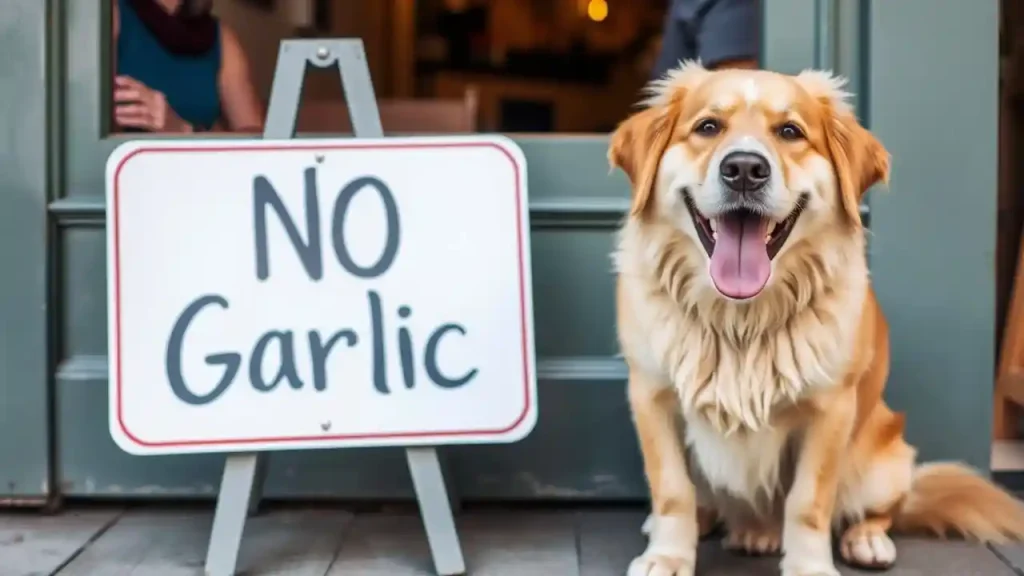
When considering whether to use garlic for dogs, it is crucial to exercise extreme caution. While garlic is toxic to dogs in large amounts, some advocate for its use in very small, controlled doses. However, it is essential to consult a veterinarian before introducing any amount of garlic into a dog’s diet. Garlic contains compounds that can damage red blood cells, leading to hemolytic anemia. Therefore, if a veterinarian suggests using garlic, ensure it is administered carefully, and always opt for fresh garlic over garlic supplements or garlic powder, which can be more concentrated and pose a higher risk.
What to Avoid: Garlic Bread and Other Foods
Dog owners should be vigilant about avoiding foods containing garlic, such as garlic bread and other human dishes that may seem harmless. Garlic bread, in particular, contains a substantial amount of garlic, which is toxic to dogs and can lead to garlic poisoning. Even small doses in tasty foods can accumulate over time and affect dogs’ health. Additionally, raw garlic cloves, garlic extracts, and garlic supplements should be kept out of reach of pets. It is safest to refrain from feeding your dog any food containing garlic to prevent the risk of toxicity and ensure their well-being.
Alternatives to Garlic for Dogs
Given the potential risks associated with feeding garlic to dogs, exploring safer alternatives is advisable. Many herbs and foods can offer similar benefits without the associated dangers of garlic toxicity. For instance, turmeric is renowned for its anti-inflammatory properties, while pumpkin can aid in digestion. These alternatives do not carry the risk of damaging red blood cells and are generally considered safe for dogs when given in appropriate amounts. Consulting with a veterinarian can provide additional insights into suitable, non-toxic options that can support your dog’s health without the risks posed by garlic.