
Can a Cat Eat Ice Cream? Risks of Cats Eating Ice Creams
Ice cream is a beloved treat for many, especially during the warm summer months. However, as much as we enjoy sharing our favorite snacks with our furry friends, it’s essential to understand the implications of giving ice cream to cats. While it might seem harmless, there are several risks associated with letting your cat eat ice cream. This article explores these risks and provides insights into why this popular dessert might not be the best choice for your feline companion.
Understanding Ice Cream and Cats
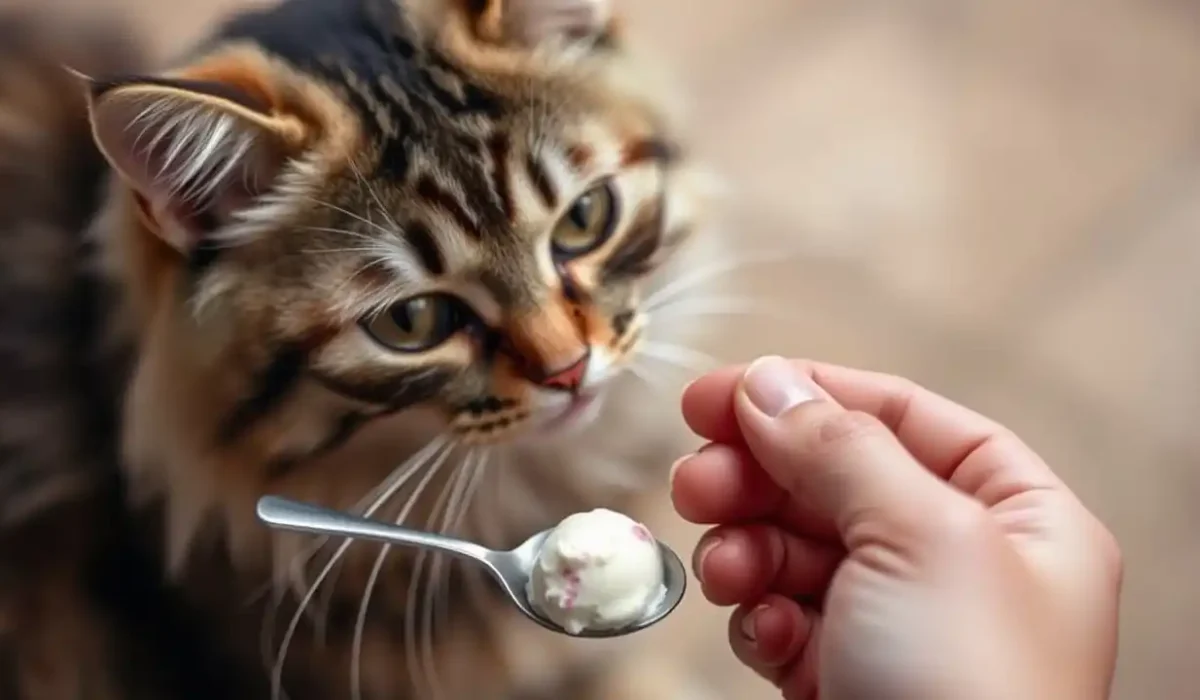
When it comes to cats and ice cream, there are various factors to consider. Cats are naturally curious creatures, and their interest in human food, including ice creams, is no exception. However, most cats are lactose intolerant, meaning their bodies lack the enzyme lactase, necessary for digesting lactose found in dairy products. As a result, when a cat eats ice cream, it can lead to digestive issues such as diarrhea and vomiting. Additionally, certain ingredients in ice cream, like chocolate or xylitol, are toxic to cats, posing further health risks.
What Happens When a Cat Eats Ice Cream?
When a cat eats ice cream, the immediate concern is their body’s reaction to lactose. Most adult cats and even some kittens are lactose intolerant, meaning they cannot properly digest lactose, leading to symptoms of gastrointestinal distress. Furthermore, the fat content in ice cream is not good for cats and can contribute to obesity and other health issues. If a cat gets into ice cream that contains chocolate, the theobromine in chocolate can be especially dangerous, as it is toxic to cats and can cause serious health problems.
Common Ingredients in Ice Cream
Ice cream contains a variety of ingredients that can be harmful to cats. Dairy products, which are the primary component of most ice creams, are a significant concern due to the lactose intolerance prevalent in cats. Moreover, many ice cream flavors include additives like xylitol, a sweetener that is toxic to cats. Even vanilla ice cream, which might seem harmless, contains cream that can upset a kitty’s stomach. Therefore, it is crucial to be aware of these ingredients and avoid sharing your ice cream with your feline friend.
Why Do Cats Lick Ice Cream?
Cats may lick ice cream due to its appealing texture and temperature. The cold, creamy substance might mimic the sensations they enjoy in their regular cat food, prompting them to explore this sweet treat. However, while cats can eat certain non-dairy ice cream options that are specifically formulated to be safe for cats, traditional ice cream isn’t suitable. Cats don’t need ice cream, and while they may seem to enjoy the occasional lick, it is not good for cats and should be avoided as part of responsible pet care.
Is Ice Cream Safe for Cats?
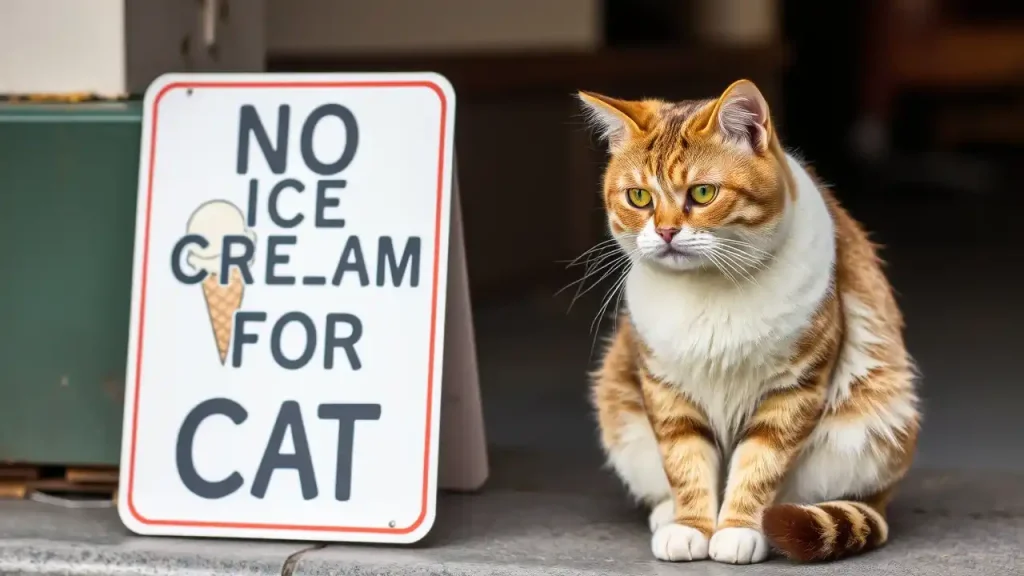
When considering the safety of ice cream for cats, it is crucial to understand the potential health implications. Although cats might be tempted by the creamy texture and sweet taste, ice cream is not a safe option for them. Most cats are lactose intolerant, which means consuming dairy products like ice cream can lead to digestive issues. Moreover, certain ingredients commonly found in ice cream, such as chocolate and xylitol, are toxic to cats and can pose serious health risks.
Potential Risks of Cats Eating Ice Cream
The potential risks associated with a cat eating ice cream are significant. The lactose present in ice cream can cause gastrointestinal distress in many cats, leading to symptoms like diarrhea and vomiting. The high fat content in ice cream may also contribute to obesity and other health issues in felines. Furthermore, flavors like chocolate ice cream can contain theobromine, a compound highly toxic to cats. Even seemingly harmless flavors like vanilla ice cream could upset a cat’s stomach, making it clear that traditional ice cream is not suitable for feline consumption.
Lactose Intolerance in Cats
Lactose intolerance is a common condition among adult cats and even some kittens, where they lack the enzyme lactase needed to digest lactose effectively. When a cat consumes lactose-containing foods such as ice cream, it can lead to uncomfortable and potentially harmful digestive issues. The symptoms of lactose intolerance in cats include diarrhea, vomiting, and abdominal discomfort. Due to this widespread intolerance, dairy products are generally considered bad for cats, and ice cream should be avoided as part of responsible pet care.
Vet-Approved Alternatives to Ice Cream
Fortunately, there are vet-approved alternatives to traditional ice cream that are safe for cats to enjoy. Non-dairy ice cream options are available specifically formulated for feline consumption, which eliminate the risks associated with lactose intolerance. These ice cream for cats typically avoid harmful ingredients like xylitol and chocolate, ensuring they are safe treats. Additionally, some cat-friendly frozen treats can be made at home using cat food or other safe ingredients, providing a cool, satisfying snack without the health risks associated with regular ice creams.
Ice Cream for Cats: What to Know
Non-Dairy Ice Cream Options
For cat owners who want to indulge their pets without the risks associated with traditional ice creams, non-dairy ice cream options can be a safe alternative. These products are specifically formulated to be safe for cats, ensuring that they don’t include harmful ingredients like lactose, xylitol, or theobromine. Non-dairy ice cream options are designed to mimic the texture and appeal of human ice cream without the adverse effects of traditional dairy products, making them a better choice for pet care.
Homemade Cat Ice Cream Recipes
Creating homemade cat ice cream can be a fun and safe way to treat your feline friend. By using cat-friendly ingredients, such as canned cat food or tuna blended with water and frozen into small portions, you can make a delightful and nutritious treat. Avoid ingredients that are toxic to cats, such as chocolate or xylitol. Homemade recipes allow you to control the ingredients and ensure that the treat is good for cats while offering a refreshing break from their regular diet.
Keeping Your Cat Cool with Frozen Treats
Frozen treats can be an excellent way to keep your cat cool during warmer months. Providing your pet with ice cubes made from chicken broth or tuna water can offer a simple, safe, and hydrating alternative to ice cream for cats. These treats are not only enjoyable for your cat to lick and play with but also ensure they remain hydrated and comfortable without the health risks associated with ice cream flavors that contain dairy or sugar.
National Ice Cream Month: Celebrating Safely
Fun Ways to Include Your Cat
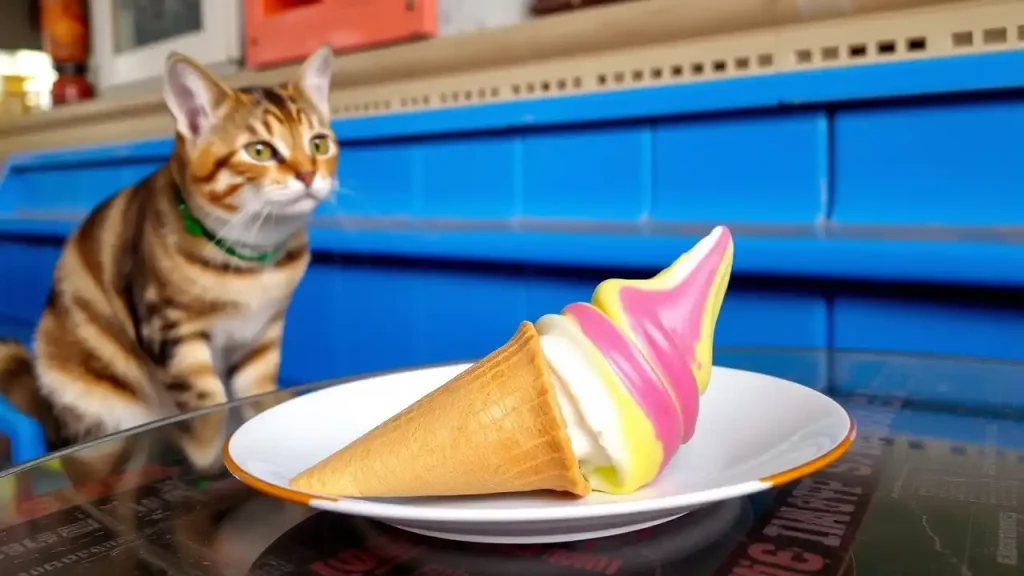
National Ice Cream Month can be a fun occasion to celebrate with your feline companion by including them in safe and enjoyable activities. Consider hosting a small party with cat-safe ice cream treats or engaging in playful activities with frozen cat toys. While cats can eat specially formulated ice cream for cats, it is crucial to remember that cats shouldn’t consume traditional ice cream. Including them in celebrations with safe treats ensures they enjoy the festivities without health risks.
Monitoring Your Cat’s Reaction to New Treats
When introducing any new treat, including non-dairy ice cream or frozen snacks, it’s essential to monitor your cat’s reaction. Observe for any signs of digestive upset, such as diarrhea or vomiting, which could indicate an intolerance to the new food. While many cats are lactose intolerant, some may also react to other ingredients. Always provide new treats in moderation, and watch for changes in behavior or appetite to ensure the treat is safe for your kitty.
Consulting with a Veterinarian About Cat Treats
Before introducing any new treats into your cat’s diet, it’s advisable to consult with a veterinarian. They can provide guidance on safe options and advise on the potential risks associated with certain ingredients. Veterinarians can help determine whether a non-dairy ice cream or homemade treat is suitable for your cat and offer recommendations tailored to their specific dietary needs. This ensures that the treats you provide are not only enjoyable but also align with responsible pet care practices.