

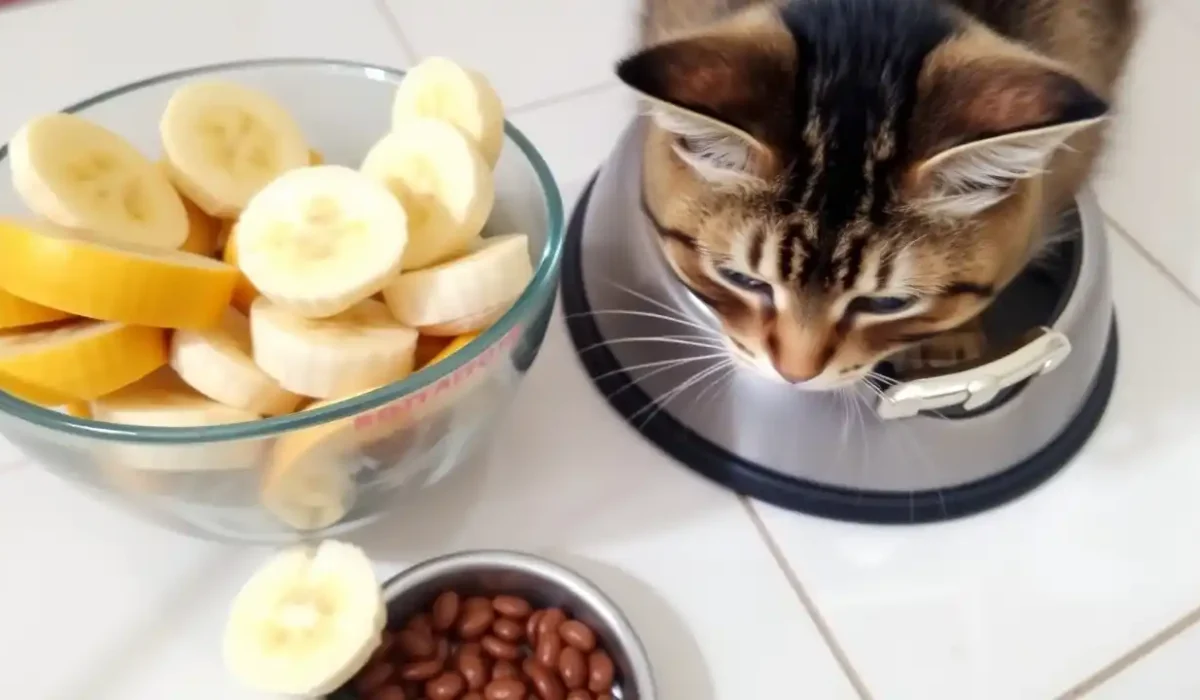
Can Kittens Eat Banana? Is Eating Bananas Safe for My Cat?
Introducing new foods to your feline friend can be a curious endeavor, especially for pet owners who are keen on sharing their snacks with their pets. One common question that arises is whether cats can eat bananas and if they are safe. As obligate carnivores, cats primarily thrive on a diet rich in protein. However, there is a natural curiosity about how fruits like bananas fit into their diet and whether they pose any health risks to your furry companion.
Understanding Bananas and Cats
What Are Bananas?
Bananas are a popular fruit enjoyed worldwide and are known for their sweet taste and nutrient-rich profile. They are high in potassium, which is essential for human health, and they contain other vitamins and minerals. The fruit is often consumed as a snack for humans or used as an ingredient in various recipes. However, when considering bananas for cats, one must remember that cats are obligate carnivores, meaning their digestive systems are primarily adapted to process meat rather than fruits.
Can Cats Eat Bananas?
While cats can eat bananas in small amounts, it is important to understand that bananas are not a natural part of a cat’s diet. Feeding bananas to cats should be done with caution and moderation. Bananas aren’t toxic to cats, but since they are high in sugar, they should not become a regular part of a cat’s diet. A banana slice as an occasional treat may be acceptable, but it’s essential to observe your cat’s reaction, as some cats may not like bananas at all.
Are Bananas Safe for Cats?
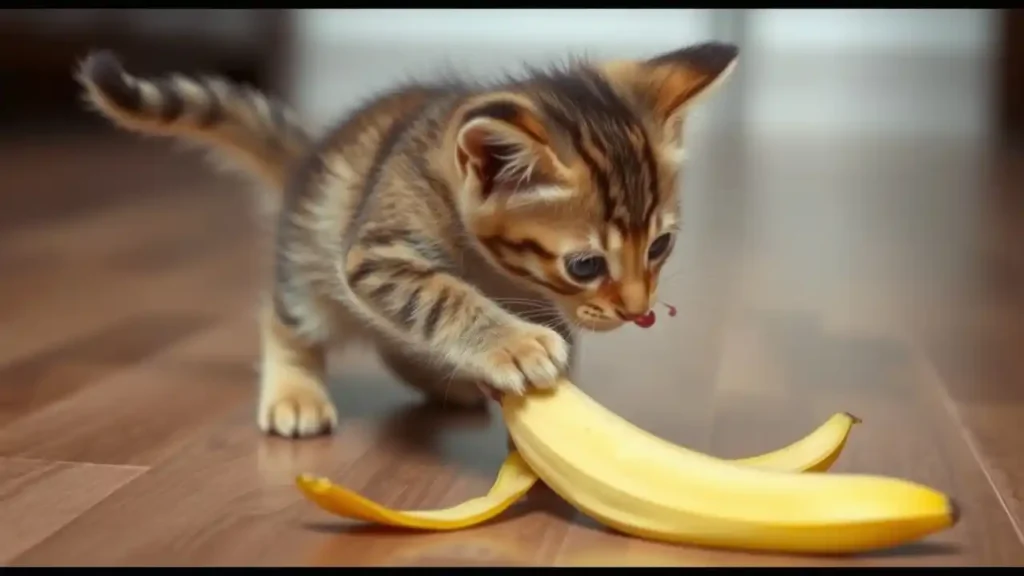
Bananas are generally safe for cats to eat in limited amounts. However, certain precautions should be taken when introducing this fruit into their diet. The banana peel should be removed entirely before offering a banana to your cat, as it can pose a choking hazard and is more difficult for cats to digest. Additionally, cats may experience digestive issues such as diarrhea or vomiting if they consume too much banana. Consulting with a veterinarian before adding any new food to your cat’s diet is always a prudent step to ensure it is safe for your feline friend.
Feeding Bananas to Cats

How to Safely Feed Bananas to Cats
When introducing bananas as a treat for your feline friend, it is important to do so with care. Begin by offering a small banana slice to your cat to see how they react. Ensure that any banana you give your cat is peeled, as the banana peel can be a choking hazard and is difficult for cats to digest. It’s crucial to remember that bananas are high in sugar, so moderation is key. Consult your veterinarian before making bananas a regular part of your cat’s diet to ensure it complements their nutritional needs.
Feeding Bananas: Dos and Don’ts
When it comes to feeding bananas to cats, there are some dos and don’ts to keep in mind. Here are some guidelines to follow:
- Do introduce bananas as an occasional treat and not a staple in your cat’s diet.
- Do monitor your cat for any signs of an allergic reaction after eating a banana.
- Don’t give your cat large quantities of banana, as this can lead to digestive issues such as diarrhea.
- Don’t assume that because bananas are safe for humans, they are equally safe for cats.
Always treat bananas as a rare snack for your feline, not a regular food item.
Signs to Watch After Your Cat Ate Banana
After your cat has consumed a small piece of banana, it is essential to watch for any adverse reactions. Look for signs such as vomiting or diarrhea, which may indicate that the banana did not agree with your cat’s digestive system. Some cats might show signs of an allergic reaction, such as itching or swelling. If your cat shows any unusual behavior or symptoms after consuming banana, it’s wise to consult a veterinarian promptly. By observing these signs, you can ensure bananas remain a safe treat for your cat.
Alternatives to Bananas for Cats
Fruits Cats Can Eat
While bananas might be an occasional treat, there are other fruits that cats can eat safely. However, it’s crucial to ensure that any fruit you give your cat is free from seeds and skins, which can be a choking hazard or difficult for them to digest.
| Fruit | Details |
|---|---|
| Apples | When peeled and deseeded, can offer a crunchy snack for cats. |
| Blueberries | Provide antioxidants and vitamins without high sugar content. |
| Watermelon | In small amounts, can be a hydrating treat, especially during hot weather. |
Other Safe Treats for Your Cat
Besides fruits, there are several other treats that are safe for cats. Here are some options you can consider:
- Cooked chicken or turkey without any seasoning can be a delightful protein-rich treat for your feline.
- Small pieces of salmon or tuna, given occasionally, can also be a favorite.
- Commercially available cat treats are formulated to cater to a cat’s dietary needs and can be a convenient option.
Always ensure that treats do not exceed 10% of your cat’s daily caloric intake to maintain a balanced diet and prevent obesity.
Consulting Your Vet About Your Cat’s Diet
Before introducing new foods like bananas or any other treats into your cat’s diet, consulting a veterinarian is advisable. A vet can provide personalized advice based on your cat’s health, age, and dietary requirements. They can help determine if your cat has any allergies or specific nutritional needs that must be addressed. Regular check-ups with a vet ensure that your feline friend remains healthy and that any changes to their diet are safe and beneficial.
Conclusion
Recap: Can Cats Eat Bananas?
Cats can eat bananas, but only in moderation. While bananas aren’t toxic to cats, they are high in sugar and not a natural part of their diet as obligate carnivores. Bananas should be given as an occasional treat, and the peel should always be removed to avoid any choking hazard. Observing your cat for any signs of digestive upset or allergic reaction is essential after feeding bananas to ensure they remain a safe treat for your pet.
Final Thoughts on Feeding Fruits to Cats
While feeding fruits to cats isn’t necessary, it can offer variety and occasional enjoyment. It’s important to remember that cats’ primary dietary needs are met through high-quality cat food that provides all essential nutrients. Treats, whether fruits or other types, should complement this diet without replacing it. Always prioritize your cat’s health by consulting with a veterinarian regarding any dietary changes, ensuring that the treats you offer are safe and suitable for your feline companion.