
Can Cats Eat Cucumber? Is Cucumber or Pickle Safe for Cats?
As pet owners, we often find ourselves wondering if certain foods are safe for our feline friends. One common query that arises is whether cats can eat cucumber or if it’s safe for them. While cucumbers are a popular human food known for their refreshing high water content and low-calorie nature, it’s essential to understand their impact on our furry companions. With a focus on feline nutrition, this article will explore the safety and potential benefits of feeding cucumbers to cats.
Cucumbers and Cats
Understanding Feline Nutrition
Cats are obligate carnivores, meaning their dietary needs are primarily based on animal proteins found in typical cat food. While they require certain nutrients like potassium and vitamin K, which cucumbers contain, it’s crucial to remember that these should not replace the essential nutrients cats need from meat sources. Introducing human food, such as cucumber, into a cat’s diet should be done cautiously and only as an occasional treat. This ensures that their nutritional balance remains intact while providing a bit of variety.
Can Cats Eat Cucumber?
The question of whether cats can eat cucumber can be answered with a cautious yes. Cucumbers are safe for cats to eat in small amounts. Due to their high water content, they can be refreshing, especially during warmer months. However, it’s important not to feed your cat too much cucumber, as it might lead to digestive issues. Peeling the cucumber and offering only thin slices of cucumber can help in easing its digestion. Remember, cucumbers should not replace regular cat food and should only be an occasional treat.
Common Misconceptions about Cats Eating Cucumber
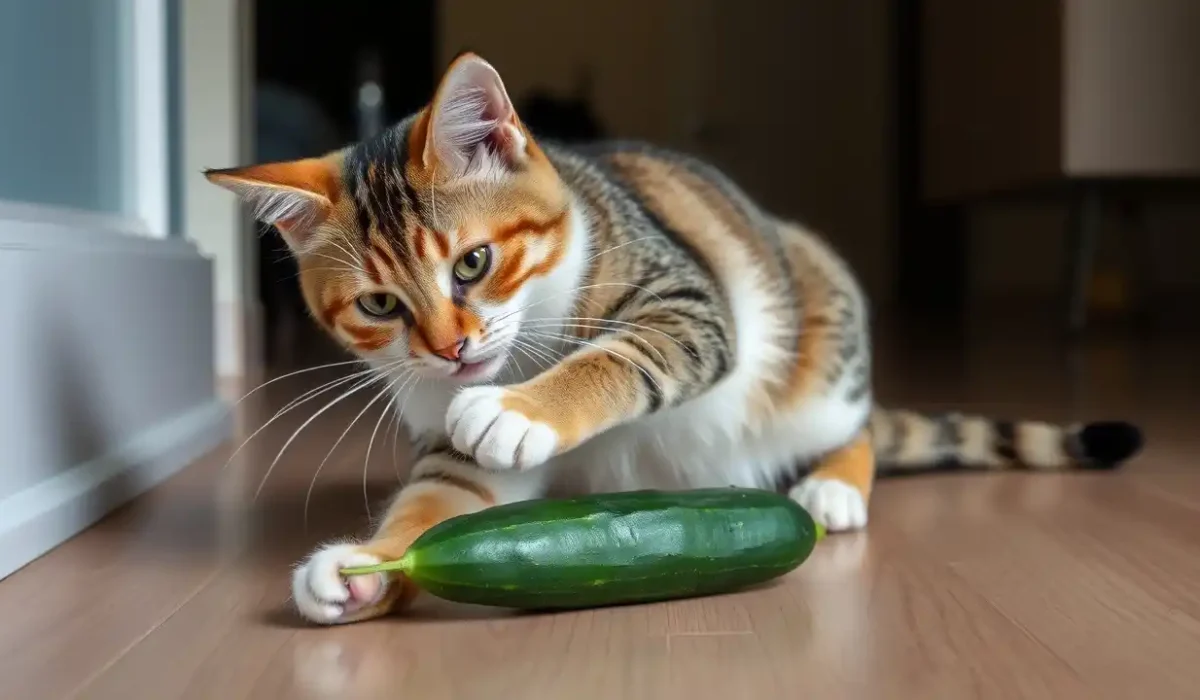
One common misconception is that cucumbers are harmful to cats or that cats are afraid of cucumbers. While some viral videos have shown cats jumping away from cucumbers, this reaction is more about surprise than fear of the vegetable itself. The key is moderation; cucumbers are not toxic to cats but should be given in controlled portions. Additionally, pickled cucumbers should be avoided as they can contain ingredients that are not safe for cats. Always ensure you’re introducing cucumbers to your cat gradually to monitor for any adverse reactions.
Benefits of Cucumbers for Cats
Nutritional Value of Cucumbers
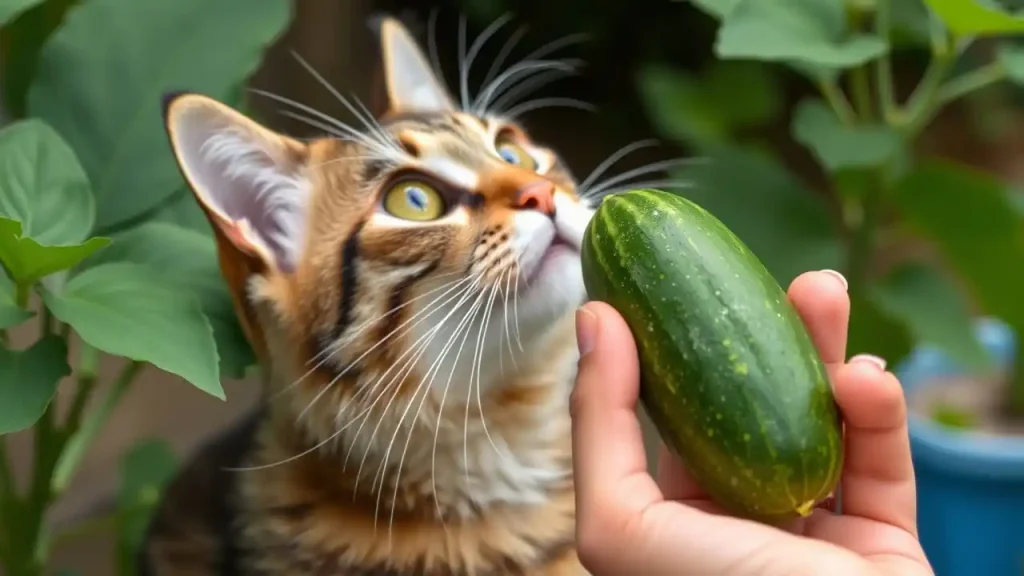
Cucumbers are renowned for their high water content, making them a hydrating snack that can be beneficial for both humans and felines. These vegetables are low-calorie, which means they can be given to your cat without the risk of contributing to weight gain. Cucumbers contain essential nutrients such as potassium and vitamin K, which can complement the nutritional needs of cats when given occasionally. Although cats are obligate carnivores and primarily require nutrients from animal sources, small amounts of cucumbers can provide a refreshing and nutritious treat.
Benefits of Cucumbers for Cats
Feeding cucumbers to your cat can offer several potential benefits. The high water content in cucumbers can help in keeping your cat hydrated, especially during hot weather. This is particularly useful for cats that may not drink enough water on their own. Additionally, the fiber content in cucumbers can aid in digestion, potentially reducing the occurrence of digestive issues. While cucumbers should not replace regular cat food, their low-calorie nature makes them a healthy occasional treat that can add variety to your cat’s diet without being harmful to cats.
| Benefit | Description |
|---|---|
| Hydration | High water content helps keep cats hydrated, particularly in hot weather. |
| Digestion | Fiber content aids in digestion, reducing digestive issues. |
How Much Cucumber Can You Feed Your Cat?
When introducing cucumbers to your cat, moderation is key. Cats can eat cucumber safely in small amounts, so it is advisable to start with thin slices of cucumber to see how your feline responds. Peeling the cucumber can make it easier to digest and reduce any potential digestive issues. It’s important to remember that cucumbers should not make up a significant portion of your cat’s diet and should only be offered as an occasional treat. Avoid giving your cat pickled cucumbers, as they contain ingredients that could be toxic to cats. Always ensure that the cucumber is given in a safe and controlled manner.
Feeding Cucumbers to Your Cat
How to Introduce Cucumber to Your Cat
When you’re introducing cucumbers to your feline friend, it’s important to do so in a gradual and cautious manner. Start by offering small cucumber slices to gauge your cat’s interest and reaction. Since cats are obligate carnivores, their diet primarily consists of meat, so introducing a new human food like cucumber should be done carefully. Monitor your cat closely for any signs of digestive issues or adverse reactions. Peeling the cucumber can make it easier for your cat to digest, ensuring that they enjoy this occasional treat without any discomfort.
Safe Ways to Serve Cucumbers to Cats
To ensure cucumbers are safe for cats to eat, always serve them as fresh, plain slices without any added seasonings or dressings. This helps in maintaining their natural high water content, which is beneficial for hydration. It’s best to offer cucumbers in small amounts, as too much cucumber can lead to digestive issues. Avoid feeding your cat pickled cucumbers, as the added vinegar and spices can be harmful to cats. By giving your cat fresh cucumber in moderation, you can provide a refreshing and low-calorie treat that complements their regular diet.
What to Avoid When Feeding Cats Cucumbers
There are several considerations to keep in mind to prevent any negative effects when feeding cucumbers to your cat. Firstly, avoid giving large quantities of cucumber, as this can disrupt their digestive system. Additionally, steer clear of pickled cucumbers due to the high sodium content and potential for harmful ingredients like garlic and onions, which are toxic to cats. Always ensure that the cucumber slices are fresh and free from any pesticides or chemicals by washing them thoroughly. By taking these precautions, you can safely include cucumbers in your cat’s diet as an occasional treat.
Cucumber vs. Pickle: What’s Safe for Cats?
Differences Between Cucumber and Pickle
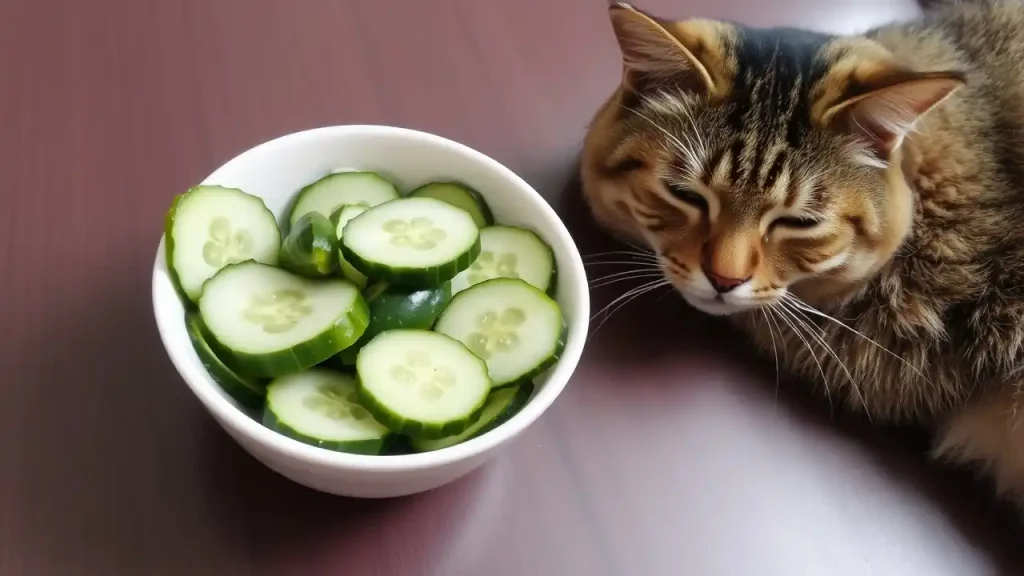
The primary distinction between a cucumber and a pickle lies in the preparation process.
| Item | Description |
|---|---|
| Cucumber | Fresh vegetable, high in water content and low in calories, making them safe for cats to consume in moderation. |
| Pickle | Cucumbers soaked in a brine solution, typically containing vinegar, salt, and various spices, which alters their nutritional composition and introduces elements not safe for cats. |
While fresh cucumbers can be a beneficial treat, pickles pose potential risks due to their added ingredients.
Are Pickles Safe for Cats?
Pickles are generally not safe for cats due to the presence of vinegar, salt, and other seasonings that can be harmful to feline health. These ingredients can lead to digestive issues and even toxicity in some cases. Cats have a different dietary requirement than humans, and the high sodium content in pickles can disrupt their electrolyte balance. Therefore, it is advisable to avoid offering pickles to your cat and instead stick to fresh cucumber slices. This ensures that your feline friend enjoys a safe and healthy treat without the risks associated with pickled foods.
Alternatives to Cucumber and Pickle for Your Feline Friend
If you’re looking for alternative treats to cucumbers and pickles for your cat, consider the following options:
| Option | Benefits |
|---|---|
| Small pieces of cooked meat or fish | Align with their carnivorous diet and provide necessary animal proteins |
| Cat treats designed for feline nutrition | Contain essential vitamins and minerals beneficial to your cat’s health |
By choosing alternatives that cater to their dietary needs, you can ensure your cat enjoys a variety of flavors and nutrients without compromising their well-being.