

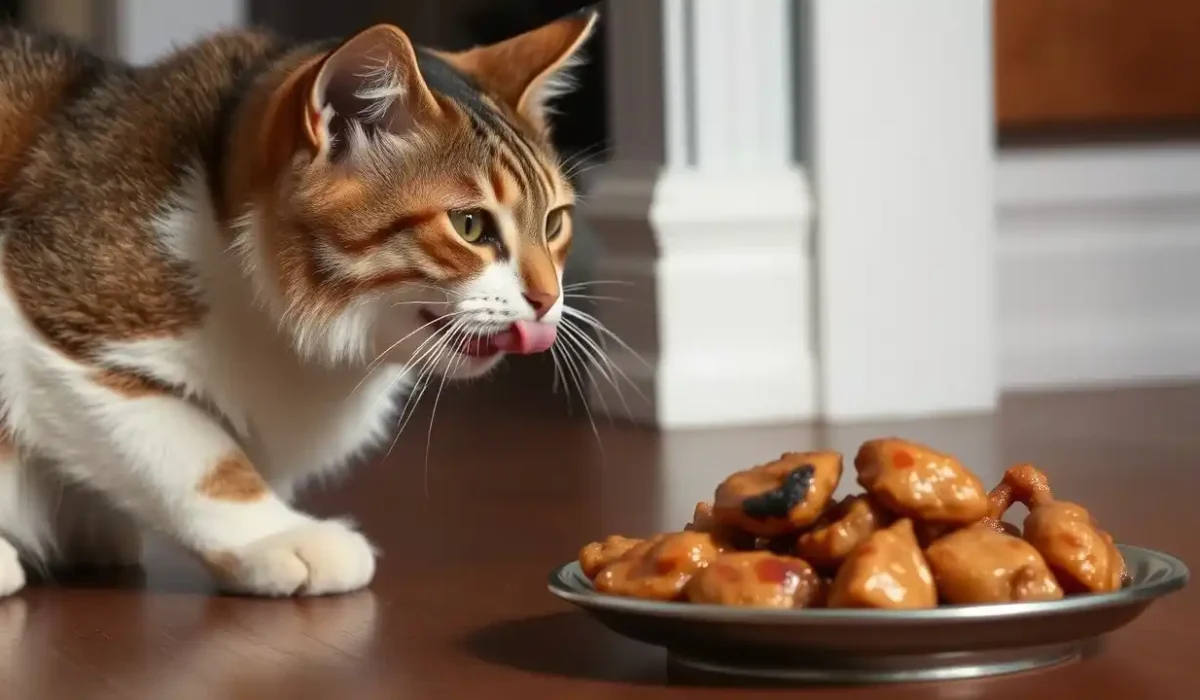
Can Cats Eat Chicken? Exploring Human Food for Cats
Many cat owners often wonder about the safety and appropriateness of sharing human food with their feline companions. Given that cats are obligate carnivores, their dietary needs are quite specific, and it is crucial to understand what cats can eat to ensure their health and well-being. This article explores whether cats can eat chicken, along with other human foods that may or may not be suitable for your furry friend. Understanding these aspects can help you make informed decisions about feeding your cat.
Understanding What Cats Can Eat
When considering the question of what foods cats can eat, it’s important to remember that their digestive systems are designed to process animal proteins and fats. While cats eat chicken and other meats as a primary source of protein, it’s essential to differentiate between what is safe for cats and what might make your cat sick. Here are some guidelines to ensure that any human food you might share with your cat is prepared properly:
- Make sure foods like boiled chicken or steamed chicken are prepared in a way that aligns with their nutritional requirements.
- Avoid adding any seasonings or ingredients that could be harmful to cats.
Do Cats Eat Chicken?
Yes, cats can eat chicken, and it is often included in many commercial cat food recipes due to its high protein content and palatability. Chicken is a good source of protein and can be beneficial for your cat’s overall health. However, it’s crucial to prepare chicken for cats properly. Feeding chicken to your cat should involve cooking it thoroughly to avoid any risk of salmonella or other pathogens that raw chicken might contain. Always avoid giving your cat chicken bones, as they can be a choking hazard or cause digestive issues.
Human Foods Cats Can Eat
Aside from chicken, there are other human foods cats can eat safely. These include certain cooked meats, like turkey and small portions of fish, such as salmon. It’s important to avoid raw fish and raw eggs due to potential health risks. Additionally, some fruits and vegetables, like small pieces of cooked carrots or peas, can be safe for cats in moderation. Always ensure that any food shared with your cat is free from seasonings and harmful additives. Consulting with a vet is advisable before introducing new foods to your cat’s diet.
Feline Diet Basics
A feline diet primarily consists of animal-based proteins, as cats are obligate carnivores. This means their diet should mainly comprise nutrient-rich meats that cater to their biological needs. While commercial cat food, both wet and canned, is formulated to meet these requirements, adding variety with human food like chicken breast can enhance their meal plan. However, it’s essential to maintain a balanced diet and not replace commercial cat food entirely. Understanding the basics of a feline diet can help in feeding your cat properly and ensuring their health and longevity.
The Benefits of Chicken for Cats

Health Benefits of Chicken
Chicken is a remarkable source of protein and essential nutrients, making it an excellent choice for your feline companion. When you feed your cat chicken, you are providing a meal that supports muscle development, boosts energy levels, and aids in maintaining a healthy weight. Cooked chicken is especially good for cats as it is easy to digest, minimizing the risk of digestive issues. It also contains amino acids and vitamins that are crucial for a cat’s overall well-being. Moreover, the low-fat content in chicken makes it a suitable option for indoor cats who might be less active.
Why Cats Like Chicken
Cats are naturally drawn to chicken due to its appealing aroma and flavor. As obligate carnivores, cats have evolved to prefer the taste of meat, and chicken is often a favorite. The texture of cooked chicken, whether it’s boiled, steamed, or roasted, is similar to the prey they would catch in the wild, which may explain why cats eat chicken with such enthusiasm. Additionally, the juicy and tender quality of chicken breast appeals to their palate, making it a delightful treat that not only satisfies their taste buds but also aligns with their nutritional needs.
Comparing Chicken and Turkey
When it comes to choosing between chicken and turkey for your feline friend, both are excellent sources of protein and can be included in the diet of cats. However, there are subtle differences that might influence your choice. Chicken tends to be more readily available and is often included in commercial cat food due to its palatability. Turkey, while also nutritious, typically contains slightly higher fat content, which can be beneficial for more active cats. Both meats, when cooked properly, are safe for cats and provide essential nutrients needed for their health. Ultimately, whether you choose chicken or turkey, both can be beneficial in a balanced diet.
Preparing Chicken for Your Cat
How to Prepare Chicken for Cats
When preparing chicken for your feline, it is crucial to ensure that it is cooked thoroughly to avoid potential health risks. Raw chicken carries the risk of salmonella, which can make your cat sick, so always opt for cooked chicken. Boiling or steaming chicken breast are excellent methods, as they retain the nutrients while eliminating harmful bacteria. Avoid adding any seasonings or spices, as these are not safe for cats. It is also vital to remove any chicken bones, as they can pose a choking hazard or cause injury to the digestive system. By preparing chicken properly, you can safely feed your cat a nutritious meal.
Steamed vs. Boiled Chicken
Both steamed and boiled chicken are safe for cats to eat, but each method has its own benefits. Steamed chicken tends to retain more moisture, making it a succulent option that cats like, while boiled chicken often results in a softer texture that might be easier for some cats to chew and digest. Both methods effectively eliminate the risk of harmful bacteria found in raw meat, making them safe for cats to consume. Whether you choose to steam or boil chicken, ensure it’s fully cooked and devoid of any seasoning to keep it good for cats and their health.
Feeding Chicken to Your Cat Safely
When feeding chicken to your cat, it is essential to do so safely and in moderation. Start by introducing small amounts of chicken to observe how your cat’s digestive system responds. While chicken is a good source of protein and beneficial as part of a balanced diet, it should not replace commercial cat food entirely, as it may lack certain nutrients found in wet food or canned cat food. Always ensure that the chicken is cooked and free of bones. Offering chicken as an occasional treat or supplement to their regular diet can enhance their nutrition without compromising their health.
Cautions When Feeding Chicken to Cats
Chicken Bones and Their Risks
When feeding chicken to your cat, it is crucial to be aware of the risks associated with chicken bones. Chicken bones can splinter easily, posing a significant choking hazard for cats. If ingested, these sharp bone fragments can also cause damage to the esophagus, stomach, or intestines, leading to severe digestive issues or even life-threatening injuries. Therefore, when you prepare chicken for your feline friend, always ensure that the meat is boneless to keep it safe for cats. Removing bones from chicken breast or any other cut will help prevent potential health complications.
Raw Chicken: A Risky Choice
Feeding raw chicken to your cat might seem like a natural choice, given that cats are obligate carnivores. However, raw chicken can be a risky option due to the possibility of salmonella or other harmful bacteria present in raw meat. These pathogens can make your cat sick, causing symptoms like vomiting or diarrhea. While some pet owners advocate for a raw food diet, it’s essential to weigh the risks and consult with a veterinarian before introducing raw chicken into your cat’s diet. Opting for thoroughly cooked chicken is a safer alternative that maintains the nutritional benefits without compromising health.
Unseasoned Chicken: The Best Option
When you decide to feed your cat chicken, it’s best to offer it unseasoned. Seasonings, spices, and additives commonly used in human food preparation can be harmful to cats. Ingredients like garlic, onions, and excessive salt can upset a cat’s digestive system or even lead to serious health issues. To ensure chicken is good for cats, prepare it simply by boiling or steaming, without any added flavorings. This approach not only makes the chicken safe for consumption but also keeps it nutritious, aligning with the dietary needs of your feline companion.
Integrating Chicken into Your Cat’s Diet
Best Ways to Feed My Cat Chicken
Integrating chicken into your cat’s diet can be a rewarding experience when done correctly. Begin by introducing small portions of cooked chicken breast, observing how your cat responds to the new addition. You can either serve it as a standalone treat or mix it with their regular cat food to enhance flavor and nutrition. Always ensure that the chicken is cooked and free from bones, and avoid serving it too frequently to maintain a balanced diet. By varying your cat’s food options, you can provide a more enriching meal experience while supporting their overall health.
Cat Food with Chicken Ingredients
Many commercial cat foods include chicken as a primary ingredient, making it easier to incorporate chicken into your cat’s diet. These pet food products are formulated to meet the nutritional needs of felines, combining chicken with other essential nutrients for a well-rounded diet. When selecting commercial cat food, look for high-quality options that list chicken as one of the first ingredients, ensuring that your cat receives the protein and nutrients they require. This approach allows you to feed your cat chicken conveniently while adhering to dietary guidelines for optimal health and wellness.
Canned Cat Food vs. Fresh Chicken
Deciding between canned cat food and fresh chicken can depend on several factors, including convenience, nutritional content, and your cat’s preferences. Canned cat food is designed to provide a balanced diet, often enriched with vitamins and minerals that might be absent in fresh chicken alone. However, fresh chicken, when prepared correctly, can be a delicious and nutrient-rich addition, offering variety and additional protein. While both options have their merits, combining them can offer the best of both worlds, ensuring that your feline receives a diverse and satisfying diet that caters to their carnivorous nature.