

Slow Feeder Dog Bowl: Do Slow Feeders Really Help Dogs Eat Slower?
Feeding time is a crucial aspect of a dog’s daily routine, and for many pet owners, managing their dog’s eating speed can be quite challenging. Fast eating habits can lead to various health issues such as bloat, which is why introducing a slow feeder dog bowl can be beneficial. Slow feeders are specifically designed to modify your dog’s eating speed, providing mental stimulation and helping to prevent potential health problems. But how effective are these tools in ensuring dogs eat slower, and what are their benefits? Let’s explore the world of slow feeder dog bowls.
Understanding Slow Feeders

Slow feeders are innovative dog bowls designed to slow down the eating process. Unlike a regular bowl, a slow feeder bowl incorporates unique patterns and obstacles that make it more challenging for dogs to access the food, thus encouraging them to eat slower. This design not only helps prevent fast eating but also provides mental stimulation as the dog has to navigate the bowl to get to their meal. Slow feeder bowls are a great way to help your dog develop healthier eating habits and can be especially useful for rescue dogs that might have developed fast eating habits due to past experiences.
What is a Slow Feeder Dog Bowl?
A slow feeder dog bowl is a type of dog food bowl specifically designed to slow down their eating speed. These bowls are available in various shapes and sizes and are created with intricate patterns that challenge a dog’s ability to access the food quickly. The primary goal of a slow feeder dog bowl is to transform mealtime into a fun and engaging activity that not only helps prevent bloat and other digestion issues but also promotes the overall well-being of your pet. By using a slow feeder, you can ensure that your dog eats at a more moderate pace, contributing to better digestion and nutrient absorption.
How Do Slow Feeders Work?
Slow feeders work by introducing physical barriers within the bowl that compel dogs to navigate around them to access their food. These barriers come in various forms, such as ridges, mazes, or raised sections, which are strategically placed to slow down the eating process. This interactive feeder mechanism requires the dog to use problem-solving skills, which provides mental stimulation and prevents boredom. As a result, the dog is encouraged to eat slower, reducing the risk of gulping down large quantities of air along with their food, which can lead to bloat. The gradual feeding process also aids in proper digestion and helps maintain a healthy eating routine.
Types of Slow Feeder Bowls
There are numerous types of slow feeder bowls available in the market, each catering to different dog needs and preferences. The variations in design and material allow pet owners to choose the best slow feeder bowl that suits their dog’s unique requirements, ensuring a healthier and more enjoyable mealtime experience. Some popular types of slow feeder bowls include:
- Fun feeder bowls with intricate patterns that make eating an enjoyable challenge for the dog.
- Heavy-duty slow feeder bowls with deeper compartments, ideal for larger dogs to accommodate their size and eating habits.
- Slow feeders designed for specific types of food, such as raw dog food or wet food.
Benefits of Using Slow Feeders
Preventing Bloat in Dogs
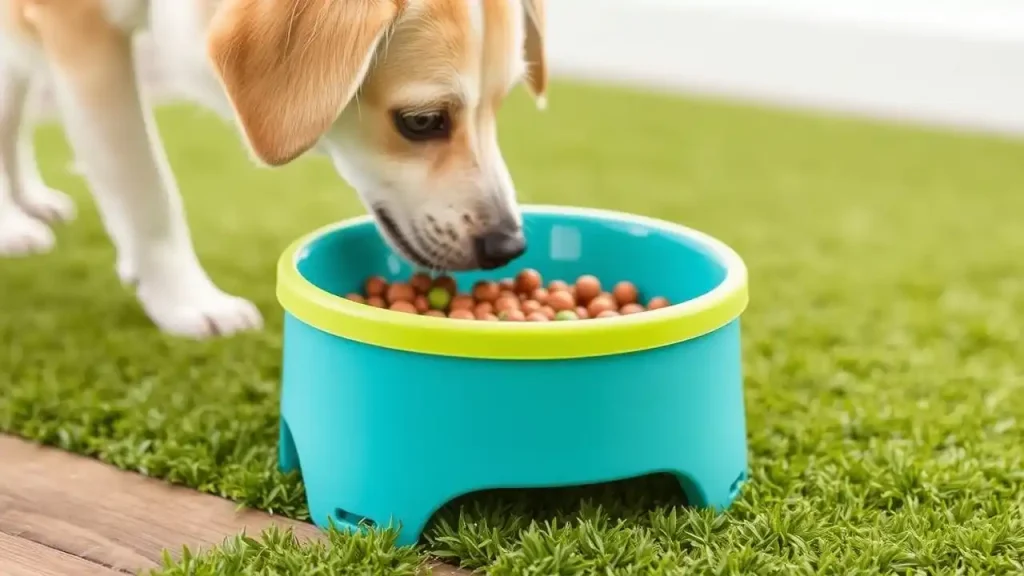
Bloat is a serious and potentially life-threatening condition in dogs that can occur when they eat too quickly, swallowing large amounts of air along with their food. Using a slow feeder dog bowl can be instrumental in mitigating this risk. Slow feeders are designed to slow down the eating process by incorporating obstacles that make it difficult for dogs to gulp their food rapidly. By encouraging them to eat slower, these bowls help prevent the ingestion of excess air, thereby reducing the risk of bloat. This is particularly beneficial for large dogs and breeds that are predisposed to this condition. Slow feeding not only aids in preventing bloat but also promotes better digestion and overall health for your pet.
Encouraging Dogs to Eat Slower
One of the primary benefits of using a slow feeder dog bowl is its ability to naturally encourage dogs to eat slower. Fast eating habits can be detrimental to a dog’s health, leading to issues such as indigestion and obesity. Slow feeder bowls are designed with intricate patterns and barriers that require the dog to work to access the food. This process of navigating around the obstacles slows down their eating speed significantly. By transforming mealtime into a more deliberate activity, slow feeders help dogs develop healthier eating habits over time. This is particularly beneficial for rescue dogs that might have developed fast eating tendencies in the past.
Mental Stimulation for Dogs
Aside from the physical benefits, slow feeders also provide significant mental stimulation for dogs. The interactive feeder design challenges dogs to think and problem solve as they work to access their food. This mental engagement can reduce boredom and provide the cognitive exercise that many dogs need. The slow feeder dog bowl turns a mundane activity like eating into a mentally stimulating task, which can be particularly beneficial for dogs that spend a lot of time indoors. By combining physical and mental health benefits, slow feeders contribute to a dog’s overall well-being, making them a valuable tool for any pet owner looking to enhance their dog’s quality of life.
Choosing the Right Slow Feeder Dog Bowl
Factors to Consider When Selecting a Slow Feeder
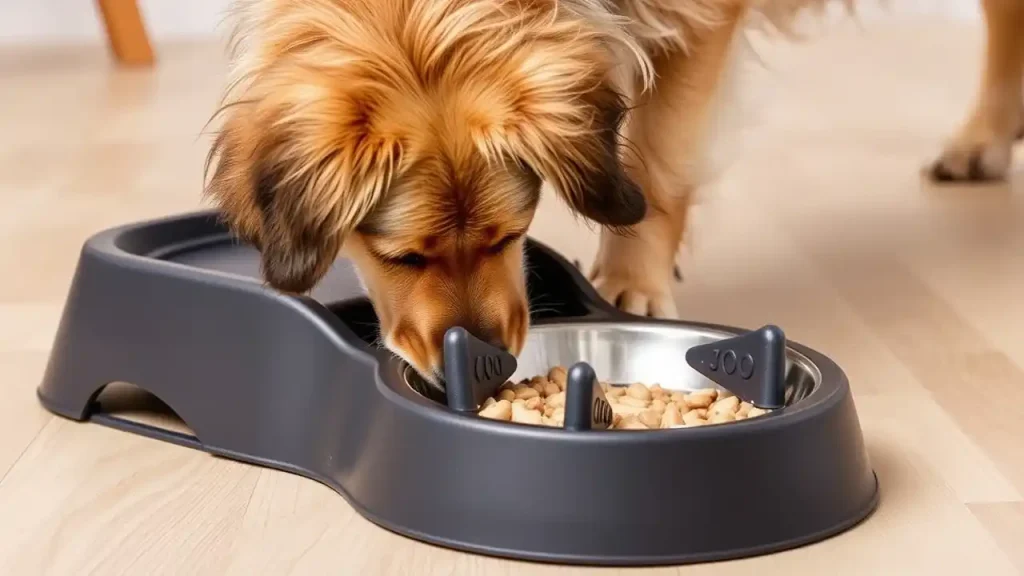
When selecting a slow feeder dog bowl, several factors should be considered to ensure it meets your dog’s specific needs. First, consider the size of your dog and the portion size you typically feed them. A bowl that is too small may not effectively slow down their eating, while a bowl that is too large could be cumbersome for a smaller dog. Additionally, the material of the bowl can impact both durability and safety; options range from plastic to stainless steel, with each having its own benefits. The design of the bowl is also crucial, as some patterns may be more effective for certain dogs than others. For instance, intricate maze-like designs might engage a highly intelligent dog, providing the necessary mental stimulation alongside slowing down their eating speed. Finally, consider any dietary needs, such as whether your dog eats raw dog food or wet food, as certain slow feeders are better suited for specific types of food.
Best Slow Feeders on the Market
The market offers a variety of slow feeders, each with unique features that cater to different needs and preferences. Some of the best slow feeders are those that successfully combine durability, functionality, and safety. For example, heavy-duty slow feeder bowls are ideal for large dogs with fast eating habits due to their robust construction and deep compartments. On the other hand, fun feeder bowls with intricate patterns provide an engaging challenge for smaller breeds or those that require extra mental stimulation. Brands that focus on non-toxic materials and dishwasher-safe designs are popular among pet owners looking for practicality and hygiene. Additionally, some slow feeders offer adjustable components to accommodate different dog sizes and meal portions. Reviews and recommendations from other dog owners can be a valuable resource when choosing the right slow feeder to ensure it aligns with your dog’s specific eating habits and dietary requirements.
Raw Dog Food and Slow Feeding
For pet owners who feed their dogs raw dog food, using a slow feeder can present unique benefits and considerations. Raw diets often involve larger chunks of meat and bones, which can encourage dogs to chew more thoroughly, naturally slowing down their eating process. However, incorporating a slow feeder can further enhance this benefit by ensuring that your dog takes its time to access every piece of food, preventing fast eating habits. It’s crucial to select a slow feeder designed to handle the texture and moisture of raw food, as some bowls may not be suitable for this purpose. Slow feeding raw diets can improve digestion and nutrient absorption, as the slower pace allows the dog’s digestive system to better process the meal. Additionally, this method can help prevent choking hazards, ensuring a safer and healthier mealtime experience for dogs on a raw diet.
Fun Feeders and Slow Feeding Techniques
Incorporating Fun Feeders into Mealtime
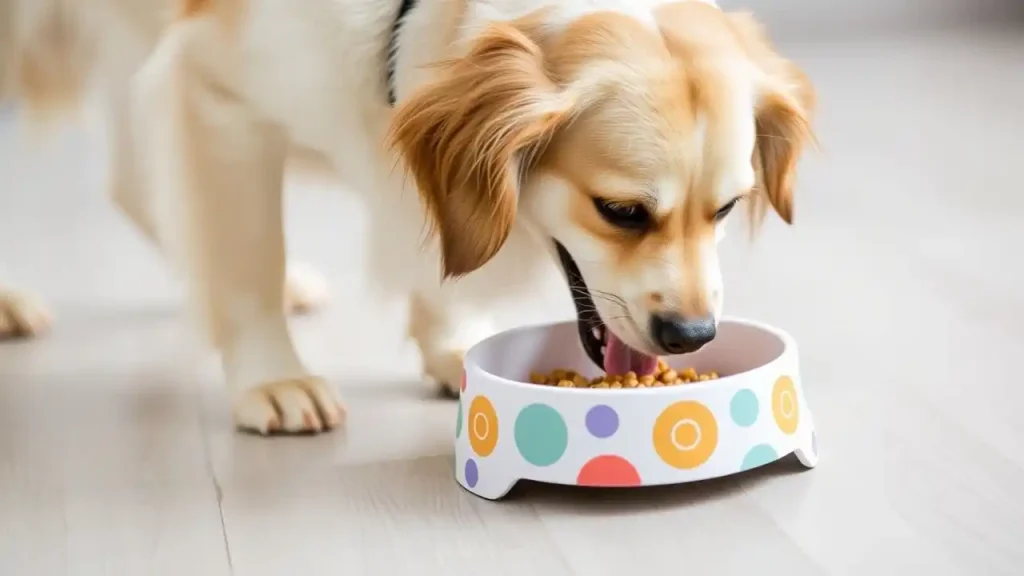
Introducing fun feeders into your dog’s mealtime routine is an excellent way to make eating more enjoyable and beneficial for their health. These feeders are designed to transform the mundane task of eating into a stimulating activity. Unlike a regular bowl, fun feeders incorporate engaging patterns and obstacles that compel your dog to navigate around them to access the food. This not only slows down the eating process but also provides a form of mental stimulation, turning mealtime into an interactive experience. By using a slow feeder bowl, you can help your dog eat slower, promoting better digestion and preventing health issues such as bloat. Moreover, the process encourages them to develop healthier eating habits, making it a win-win for both the pet and the owner.
Creative Ways to Encourage Slow Eating
Encouraging your dog to eat slower can be achieved through a variety of creative techniques that engage their senses and instincts. One effective method is to use slow feeder bowls that incorporate intricate designs and patterns, forcing dogs to work for their meal. You can also scatter their food across a larger surface, like a snuffle mat, which mimics foraging behavior and naturally slows their eating speed. Another technique is to introduce puzzle toys that dispense food only when solved, which adds an element of challenge and stimulates their mind. For dogs with fast eating habits, these methods are particularly beneficial, as they not only slow down eating but also provide mental stimulation and prevent boredom, contributing to a healthier lifestyle.
Combining Slow Feeding with Training
Combining slow feeding with training can be a powerful approach to enhance your dog’s overall well-being. By integrating slow feeder bowls into training sessions, you can teach your dog to focus and work for their food, which reinforces good behavior and discipline. For instance, you can use the slow feeder as a reward system during obedience training, where your dog must complete a task before accessing their meal. This not only slows down their eating but also strengthens the bond between you and your pet through positive reinforcement. Additionally, this method is particularly useful for rescue dogs, who might have developed fast eating habits due to past experiences. Slow feeding during training promotes patience and focus, ultimately leading to a more balanced and happy dog.
