

12 Home Remedies for Itchy Dog Paw Licking
Itchy paws can be a common issue for dogs, leading to excessive paw licking and discomfort. This can be concerning for pet owners as it may indicate an underlying problem that needs attention. Understanding the causes and signs of itchy dog paws is essential in providing relief and ensuring your furry friend’s well-being.
Understanding Itchy Dog Paw Licking

Itchy paws can be caused by a variety of factors. Allergies are one of the most prevalent causes, as dogs can react to environmental elements like pollen, dust, or chemicals. Additionally, yeast infections or dry skin can also lead to itching and irritation on your dog’s paw pads. Parasites, such as fleas or mites, are another cause that can trigger your dog to lick its paws incessantly. Identifying these causes is crucial for determining the right home remedy or when to seek professional veterinary advice.
Causes of Itchy Paws
There are several potential causes for a dog’s itchy paws, with allergies being at the forefront. Environmental allergens, such as pollen or grass, can cause your dog to lick its paws more frequently. Yeast infections, often exacerbated by moisture, can also lead to excessive paw licking. Other causes include dry skin from weather changes or contact with irritants, and even boredom or anxiety can cause your dog to lick their paws excessively. Understanding these causes can help in selecting effective home remedies to stop your dog from licking and soothe their irritated skin.
Signs Your Dog is Licking Their Paws
Recognizing the signs that your dog is licking their paws excessively is important for early intervention. Besides the obvious frequent licking, you may notice redness or swelling on your dog’s paw pads. If your dog is constantly chewing or nibbling at their paws, this can also be a sign of discomfort. Other signs include patches of missing fur around the paws or a distinct odor indicating a possible yeast infection. Keeping a close eye on these signs will help you determine if home remedies for dog’s itchy paws are needed or if a visit to the veterinarian is warranted.
When to Consult a Veterinarian
While many home remedies can help provide relief for your dog’s itchy paws, it’s best to consult a veterinarian if you notice persistent symptoms. If excessive paw licking leads to open sores, bleeding, or signs of infection, professional help is necessary. Additionally, if home remedies fail to alleviate your dog’s symptoms, or if the itching seems to worsen, a veterinary examination is crucial. A veterinarian can diagnose underlying health issues, such as allergies or infections, and recommend appropriate treatments to ensure your dog’s skin health and comfort.

Manuka Blue Balls
A power packed antioxidant treat with Wild Blueberry & Manuka Honey that helps to boost the immune system and alleviate allergies. Made with organic ingredients: Wild Blueberry, Manuka Honey, Coconut, Goat Milk, Oats
Effective Home Remedies for Itchy Dog Paws

Apple Cider Vinegar Solution
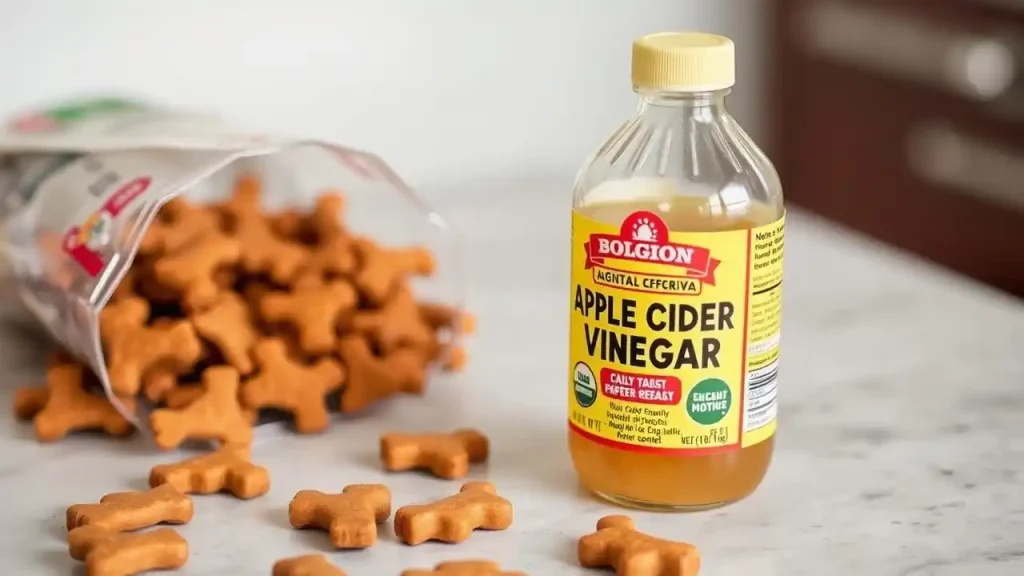
One of the most effective home remedies for addressing your dog’s itchy paws is an apple cider vinegar solution. This natural remedy is renowned for its antibacterial and antifungal properties, making it an excellent choice for treating yeast infections that may cause your dog to lick their paws excessively.
| Step | Details |
|---|---|
| Preparation | Mix equal parts of apple cider vinegar and warm water. |
| Application | Soak your dog’s paws in the solution for several minutes. |
This can help soothe the skin and alleviate itching. It is important to ensure that there are no open sores on your dog’s paw pads, as the vinegar may cause irritation. Regular use of this remedy can significantly reduce irritation and prevent your dog from licking its paws excessively.
Coconut Oil Application
Coconut oil is another popular natural remedy for itchy dog paws, known for its moisturizing and anti-inflammatory properties. Applying coconut oil directly onto your dog’s paws can help soothe dry skin and protect against further irritation.
| Benefits | Details |
|---|---|
| Moisturizing | Coconut oil locks in moisture and promotes healing. |
| Safe if Ingested | Even if your dog licks its paws after application, it won’t cause any harm. |
This remedy is particularly beneficial if your dog’s itchy paws are due to dry skin or allergies. Regular application can improve skin health and help stop your dog from licking their paws excessively.
Baking Soda Paste
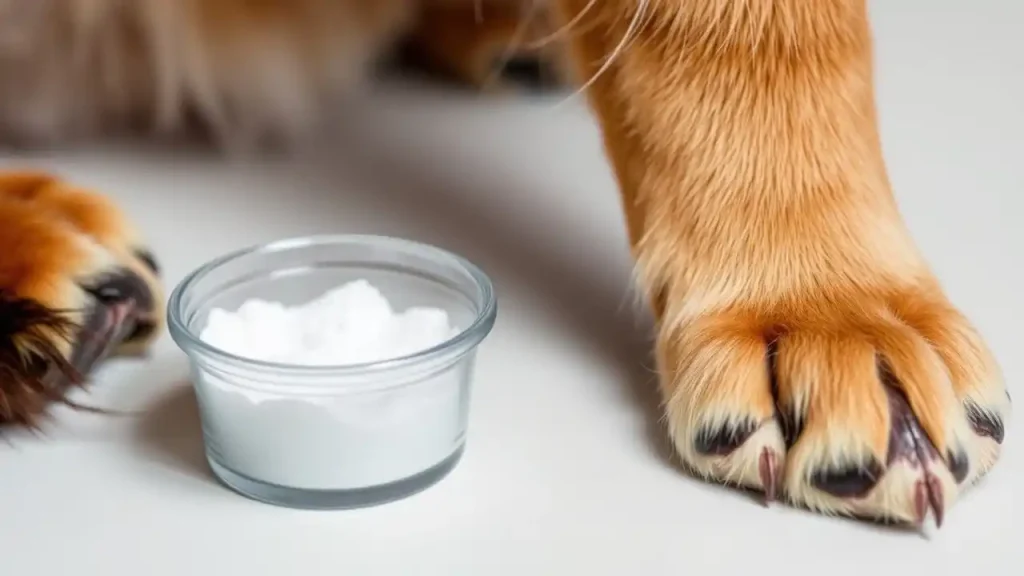
Baking soda is a versatile ingredient that can be used to create a soothing paste for your dog’s itchy paws. Known for its anti-inflammatory and antiseptic properties, baking soda can help reduce itchiness and irritation caused by allergies or other irritants.
| Preparation | Application |
|---|---|
| Mix a few tablespoons of baking soda with a small amount of water until it forms a thick paste. | Apply this paste onto your dog’s paws, allowing it to sit for several minutes before rinsing thoroughly with warm water. |
This remedy not only helps in soothing the irritated skin but also in reducing excessive paw licking by alleviating the urge to scratch. Regular use can effectively manage symptoms and improve your furry friend’s comfort.
Best Practices to Stop Your Dog from Licking
Behavioral Modifications
Implementing behavioral modifications is an essential approach to stop your dog from licking its paws excessively. One effective strategy is to increase playtime and physical activities, which helps to divert your dog’s attention away from its paws. Regular exercise not only reduces anxiety but also tires your pet, thereby decreasing the urge to lick due to boredom. Training your dog with commands such as “leave it” can also help in redirecting their focus. If your dog is licking due to stress, consider introducing calming techniques or using pet-friendly anxiety wraps. Consistency in training and positive reinforcement can significantly reduce paw licking behavior, ensuring your furry friend remains comfortable and their paw pads healthy.
Protective Measures for Paw Pads
Protective measures are vital in preventing your dog from licking its paw pads excessively. One effective remedy is to apply protective balms or waxes onto your dog’s paws, particularly before outdoor activities. These products create a barrier against environmental allergens and irritants that might trigger itching. Additionally, consider using booties or paw socks during walks, especially in areas with rough terrain or extreme weather conditions, to protect against injuries or irritants. Regularly checking and cleaning your dog’s paws after outdoor activities is crucial in removing potential allergens like pollen or grass. These protective measures not only prevent irritation but also help maintain your dog’s paw health and reduce the urge to lick.
Creating a Comfortable Environment
Creating a comfortable environment plays a crucial role in stopping your dog from licking its paws due to allergies or anxiety. Ensure that your dog’s living area is clean and free from dust, pollen, and other allergens that can cause your dog to lick. Regular vacuuming and using air purifiers can significantly reduce allergens in the home. Providing a cozy, stress-free space with soft bedding can help alleviate anxiety-related licking. If your dog’s itchy skin is due to dry air, consider using a humidifier to maintain optimal humidity levels, which can soothe the skin. By enhancing your dog’s environment, you can effectively stop excessive paw licking and promote overall well-being.
Long-term Solutions for Itchy Skin
Dietary Adjustments
Dietary adjustments are essential for managing your dog’s itchy skin over the long term. Providing a balanced diet rich in omega-3 and omega-6 fatty acids can significantly improve skin health and reduce inflammation that causes your dog to lick its paws. These nutrients help to maintain the natural moisture barrier of the skin, preventing dry skin that often leads to irritation. Incorporating foods high in these essential fatty acids, such as fish oil supplements, can be particularly beneficial. Additionally, identifying and eliminating allergens from your dog’s diet is crucial. Common allergens like certain proteins or grains can exacerbate itchy skin conditions. Consulting with a veterinarian to tailor a diet specific to your dog’s needs can help stop excessive paw licking and promote overall health.
Regular Grooming Habits
Regular grooming habits play a crucial role in preventing and managing itchy skin in dogs. Frequent brushing helps to remove dirt, allergens, and loose fur from your dog’s coat, reducing the chances of irritation that causes a dog to lick its paws. Bathing your dog with hypoallergenic or medicated shampoos can also soothe the skin and control yeast infections. It’s important to check your dog’s paws regularly for signs of irritation, and to trim the fur around the paw pads to prevent matting and accumulation of debris. Maintaining a consistent grooming routine not only alleviates itching but also enhances your furry friend’s overall comfort and appearance. By ensuring proper grooming, you can effectively reduce excessive paw licking and support skin health.
Consulting with a Veterinarian for Persistent Issues
Consulting with a veterinarian is crucial for addressing persistent itchy skin issues that do not respond to home remedies. If your dog continues to experience excessive licking despite dietary adjustments and grooming, a veterinary examination is necessary to identify underlying conditions such as allergies, infections, or more serious health concerns. A veterinarian can perform tests to pinpoint specific allergens or skin disorders and prescribe treatments, which may include medications or specialized diets tailored to your dog’s condition. Regular veterinary check-ups ensure that any changes in your dog’s skin health are promptly addressed, preventing complications and promoting long-term well-being. Professional guidance is invaluable in managing persistent issues and ensuring your dog’s comfort and happiness.
