

How to Dehydrate Chicken for Dog Treats: The Ultimate Training Guide
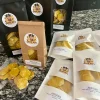
Every dog owner knows the struggle of finding the perfect training treat. You want something your pup absolutely loves, but also something healthy and natural. Dehydrated chicken chips check every box, and the best part? You can easily make them at home or choose premium options that give you peace of mind about what you’re feeding your furry friend.
Why Dehydrated Chicken Chips Are Perfect for Training
Training sessions demand treats that grab your dog’s attention instantly. Dehydrated chicken chips deliver that high-value reward that makes dogs stop everything and focus on you. Unlike many commercial treats loaded with fillers and artificial flavors, these simple protein powerhouses offer pure motivation in every bite.
The texture is equally important for training success. These chips break easily into tiny pieces, perfect for rapid-fire reward sessions where you need to give multiple treats quickly. One chip can become ten training rewards, making them incredibly cost-effective for serious training work.
Most importantly, dogs find chicken irresistible. Even the pickiest eaters typically respond enthusiastically to the rich, concentrated flavor of properly dehydrated chicken. This makes them ideal for teaching new commands, breaking stubborn habits, or working through challenging behavioral issues.
The Science Behind Dehydration and Dog Nutrition
Dehydration concentrates all the natural flavors and nutrients while removing moisture that bacteria need to grow. This process creates a shelf-stable treat that maintains the nutritional profile of fresh chicken without requiring refrigeration during training sessions.
When chicken undergoes proper dehydration, the protein content becomes highly concentrated. A single ounce of dehydrated chicken contains roughly the same protein as three ounces of fresh chicken. This concentrated nutrition means even small training treats provide substantial nutritional value.
The slow dehydration process also preserves essential amino acids that support muscle development, immune function, and overall health. Unlike high-heat processing methods that can destroy these delicate compounds, gentle dehydration maintains the biological value of the protein.

Meaty Meat Balls
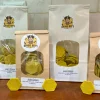
Protein packed and great for picky pups. These treats are made with local organic ingredients.
How to Dehydrate Chicken for Dog Treats: Complete Methods
Dehydrated Chicken Recipe for Dehydrator
Using a food dehydrator gives you the most control and consistent results. Start with boneless, skinless chicken breasts or chicken thighs for higher fat content if your dog needs extra calories.
Slice the chicken into thin strips, about 1/4 inch thick. Cutting against the grain makes the final product easier to break into training-sized pieces. Arrange the strips on dehydrator trays, leaving space between pieces for air circulation.
Set your dehydrator to 160°F and dehydrate for 6-8 hours. The exact time depends on thickness and your dehydrator’s efficiency. Properly dehydrated chicken should be dry to the touch with no soft or squishy spots. It should bend without breaking but feel completely dry.
Dehydrated Chicken Recipe in Oven
Don’t have a dehydrator? Your oven works perfectly for making homemade chicken chips. Preheat your oven to its lowest setting, ideally around 170°F. If your oven doesn’t go that low, use 200°F and check more frequently.
Prepare chicken the same way as the dehydrator method. Place strips on baking sheets lined with parchment paper. Prop the oven door slightly open with a wooden spoon to allow moisture to escape.
Bake for 3-4 hours, flipping halfway through. Oven dehydration typically takes less time than using a dehydrator, so check every hour after the two-hour mark. The chicken is done when it feels completely dry and has a leathery texture.
Dehydrated Chicken Recipe in Air Fryer
Air fryers excel at dehydrating small batches quickly. This method works perfectly when you need treats for immediate training sessions or want to test your dog’s preferences before making larger batches.
Set your air fryer to its lowest temperature setting, usually around 180°F. Some newer models have specific dehydrate settings that work even better. Arrange thin chicken strips in a single layer in the air fryer basket.
Dehydrate for 2-3 hours, checking every 30 minutes and flipping the pieces. Air fryer dehydration happens faster due to the concentrated air circulation, so watch carefully to prevent over-drying.
Choosing the Right Chicken for Dehydration
Fresh vs. Frozen Chicken
Fresh chicken typically produces better results because it hasn’t undergone the cellular damage that freezing can cause. However, frozen chicken works fine if you thaw it completely and pat it dry before slicing. Never attempt to dehydrate chicken that’s still partially frozen.
Breast Meat vs. Thigh Meat
Chicken breast creates leaner treats perfect for dogs watching their weight or those prone to pancreatitis. The mild flavor appeals to most dogs, and the lower fat content means you can use more pieces during extended training sessions.
Chicken thighs offer richer flavor and higher fat content, making them incredibly appealing to dogs. The extra fat makes these treats especially valuable for high-energy training or working with food-motivated dogs who need that extra incentive to focus.
Storage and Safety Guidelines
Properly dehydrated chicken treats last 2-3 weeks at room temperature when stored in airtight containers. For longer storage, keep them in the refrigerator for up to two months or freeze for up to six months.
Always check for signs of spoilage before giving treats to your dog. Properly dehydrated chicken should never feel sticky, slimy, or develop any mold. If you notice any off odors or visual changes, discard the entire batch.
Store treats in small portions rather than one large container. This prevents contaminating your entire supply if moisture gets into one container. Silica gel packets can help maintain dryness in humid climates.
Training Techniques with Dehydrated Chicken Chips
Size Matters for Training Success
Break chicken chips into pieces no larger than your dog’s thumbnail. Tiny rewards allow for rapid-fire reinforcement without filling up your dog during training sessions. This is especially crucial for small dogs who can quickly become full from just a few regular-sized treats.
Timing Your Rewards
The magic happens in the first three seconds after your dog performs the desired behavior. Have your treats ready and easily accessible. Many trainers pre-break chips into training sizes and keep them in treat pouches for instant access.
Variable Reward Schedules
Once your dog masters a command, don’t reward every single repetition. Instead, reward randomly to maintain motivation. This psychological principle, called intermittent reinforcement, actually makes behaviors stronger and more reliable.
Nutritional Benefits for Active Dogs
Dehydrated chicken provides complete protein containing all essential amino acids dogs need for muscle maintenance and growth. This is particularly important for active dogs, working breeds, or dogs recovering from illness or surgery.
The concentrated nature of dehydrated chicken means each small piece delivers significant nutritional value. This allows you to provide substantial protein rewards without overfeeding or disrupting your dog’s regular meal schedule.
B vitamins remain largely intact during proper dehydration, supporting nervous system function and energy metabolism. These nutrients are especially important for dogs engaged in regular training or high-activity lifestyles.
How to Rehydrate Dehydrated Chicken
Sometimes you might want to soften dehydrated chicken for senior dogs with dental issues or to create a special meal topper. Simply soak the pieces in warm water for 10-15 minutes until they reach the desired softness.
The rehydration liquid becomes a flavorful broth that many dogs love. You can pour this over dry kibble or use it to encourage increased water intake in dogs who don’t drink enough.
Cost-Effective Training Solutions
Making your own dehydrated chicken treats costs significantly less than buying premium commercial options. A pound of chicken breast typically yields enough treats for weeks of training sessions, making it incredibly economical for serious dog trainers.
The ability to control ingredients ensures you’re never paying for fillers, artificial colors, or preservatives that add cost without benefiting your dog. You know exactly what goes into every treat.
Best Dehydrated Chicken Recipe Tips
Start with the freshest chicken possible for the best flavor and longest shelf life. Look for organic or free-range chicken if your budget allows, as these often have better flavor profiles that dogs find more appealing.
Consistency in thickness is crucial for even drying. Use a sharp knife or meat slicer to ensure uniform pieces that will finish dehydrating at the same time.
Don’t rush the process. Properly dehydrated chicken takes time, and attempting to speed up the process with higher temperatures often results in treats that are overdone on the outside but still moist inside.
Conclusion: Perfect Training Treats Made Simple
Dehydrated chicken chips represent the perfect intersection of health, convenience, and effectiveness for dog training. Whether you choose to make them at home using any of these proven methods or select high-quality commercial options, you’re giving your dog a reward that supports their health while accelerating their learning.
The simplicity of single-ingredient treats means fewer opportunities for digestive upset or allergic reactions. The concentrated flavor and protein provide motivation and nutrition in every small piece. Most importantly, the bond you build through positive reinforcement training with these high-value treats creates a foundation for lifelong obedience and partnership with your dog.