

Freeze Dried vs Dehydrated Dog Food: What’s the Difference?
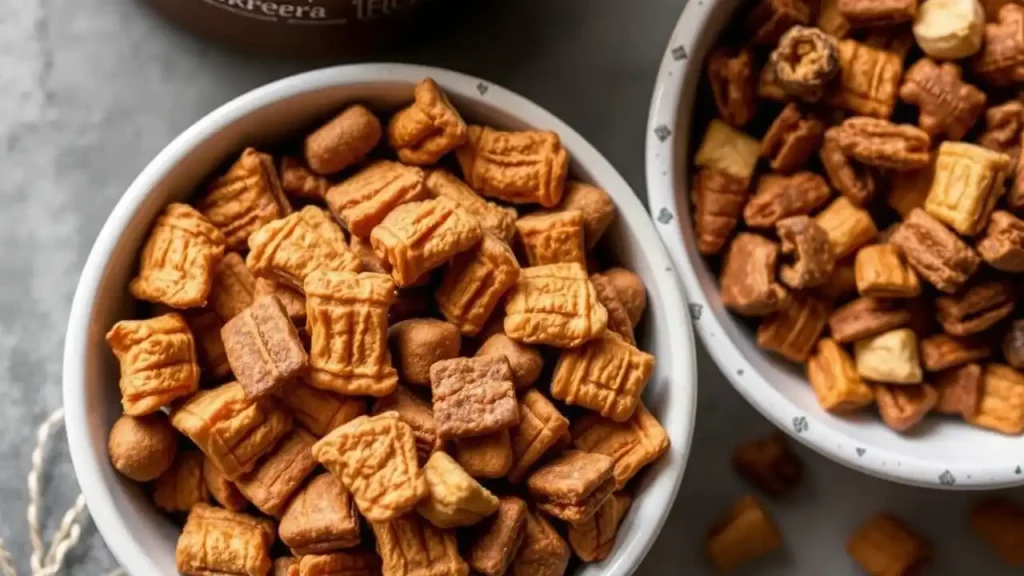
As pet parents become more conscious about the nutritional value of dog food, understanding the differences between freeze-dried and dehydrated options is essential. These methods of preserving pet food offer unique benefits and challenges, impacting everything from shelf life to the retention of vital nutrients.
Understanding Dehydration and Freeze-Drying
What is Dehydration?
Dehydration is a process that removes moisture from food, a critical step in making dehydrated dog food. By using heat to reduce moisture content, this method helps to preserve food naturally without the need for artificial preservatives. Dehydrated foods can maintain a good portion of their nutrients, although some vitamins and enzymes may be lost during the heating process.
How Freeze-Drying Works
Freeze-drying involves freezing the food and then reducing the surrounding pressure to allow the frozen water to sublimate. This advanced process helps in creating freeze-dried dog food that retains most of its original nutrients and enzymes, ensuring a high nutritional value. This method is particularly favored for preserving raw ingredients and raw food diets.
Comparing Dehydration and Freeze-Drying
When comparing dehydration and freeze-drying, the primary distinction lies in the preservation of nutrients and moisture content. Freeze-drying tends to better maintain the integrity of raw food, making it ideal for pet parents who prioritize feeding raw. Whereas, dehydrated food may lose some nutritional value but offers a cost-effective and convenient option for long-term storage.

Meaty Meat Balls
Protein packed and great for picky pups. These treats are made with local organic ingredients.
Types of Dog Food
Dehydrated Dog Food
Dehydrated dog food is crafted by gently heating raw ingredients to remove moisture while retaining as much nutrition as possible. This type of pet food is popular among those looking for a nutritious and long-lasting option without the need for refrigeration. Once rehydrated, it expands to offer a meal rich in flavors.
Freeze-Dried Dog Food
Freeze-dried dog food is made by using a freeze-drying process that preserves the natural state of raw meat and other components. This method ensures that dogs and cats receive maximum nutritional benefits, as the freeze-dried food retains most of its original nutrients and enzymes, replicating the raw food diet experience.
Air-Dried and Dried Dog Food
Air-dried and dried dog food offer another alternative in the spectrum of preserved pet foods. Air drying involves gently circulating air to remove moisture, resulting in a product that retains natural flavors and nutrients. These options often appeal to pet parents who seek a balance between convenience and nutritional integrity.
Nutritional Benefits
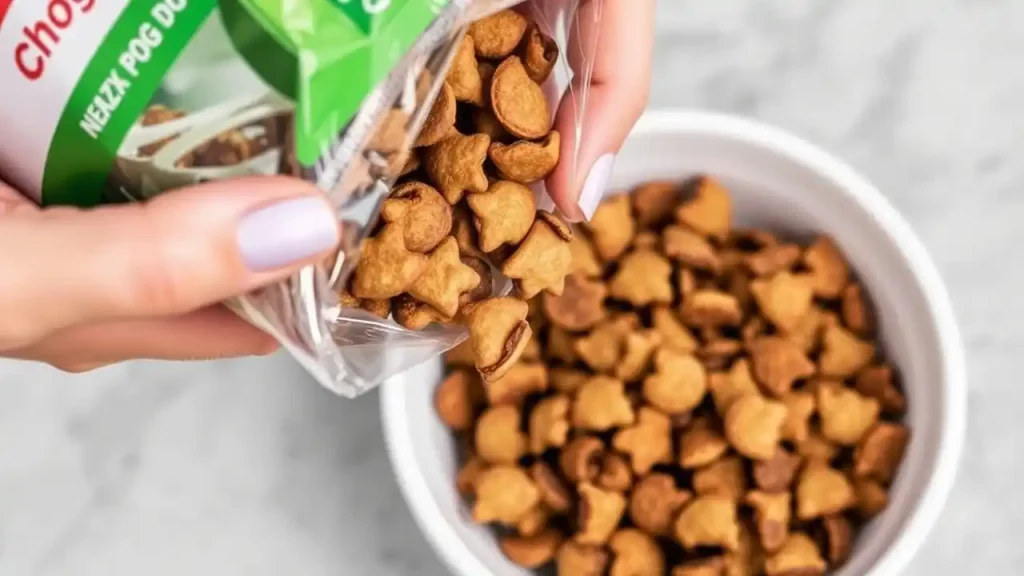
Preservation of Nutrients
The preservation of nutrients is a crucial factor when choosing between freeze-dried and dehydrated dog food. Freeze-dried dog food tends to retain a higher nutritional value due to the freeze-drying process, which minimizes the loss of vitamins and enzymes. This preservation method keeps the raw ingredients close to their original state, making freeze-dried food a popular choice for those who prioritize a raw food diet for their pets.
Impact on Digestibility
Digestibility is another essential consideration in assessing the nutritional benefits of pet food. Freeze-dried raw food is often more digestible for dogs and cats because the natural enzymes remain intact, aiding in the digestive process. In contrast, dehydrated dog food, which undergoes heat treatment to remove moisture, may slightly reduce the digestibility due to some nutrient loss. However, both options are still considered nutritious and provide essential dietary components for pets.
Raw vs. Dehydrated and Freeze-Dried
When comparing raw, dehydrated, and freeze-dried dog food, pet parents often weigh the benefits of feeding raw against the convenience and shelf life of preserved foods. Freeze-dried raw and dehydrated dog food offer the advantage of raw nutrition without the need for refrigeration. While freeze-dried options maintain a closer resemblance to raw food, dehydrated dog food provides a cost-effective alternative with a longer shelf life, making it a practical choice for many.
Shelf Life and Storage
Shelf Life of Dehydrated Dog Food
The shelf life of dehydrated dog food is one of its standout qualities. By removing moisture through dehydration, this type of pet food can last for months to years when stored properly. The absence of moisture reduces the risk of bacterial growth, making dehydrated food a reliable option for long-term storage without preservatives.
Shelf Life of Freeze-Dried Dog Food
Freeze-dried dog food also boasts an impressive shelf life, thanks to the freeze-drying process that removes almost all moisture content. This preservation method ensures that freeze-dried food remains stable for extended periods. However, once opened, it’s crucial to store the product in a sealed container to prevent rehydration and maintain its quality.
Best Storage Practices
To maximize the shelf life of both dehydrated and freeze-dried dog food, proper storage practices are essential. Pet parents should keep these foods in a cool, dry place, away from direct sunlight. Using airtight containers will help preserve the nutritional integrity and prevent moisture from compromising the food’s quality. These storage measures ensure that the food remains a nutritious and safe option for your pet.
Cost and Convenience
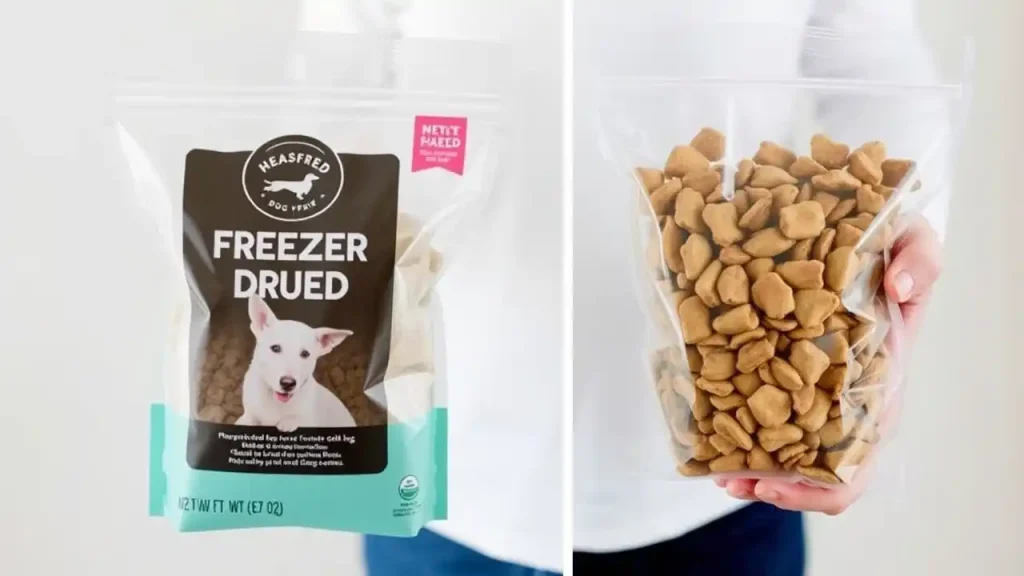
Price Comparison: Dehydrated vs. Freeze-Dried
When evaluating the cost of dehydrated dog food versus freeze-dried options, pet parents may notice a significant difference. Dehydrated food tends to be more budget-friendly due to the simpler dehydration process, which involves heating to remove moisture. In contrast, freeze-dried dog food, which retains more nutrients through an advanced freeze-drying process, often comes with a higher price tag. The price variation reflects the complexity and the nutritional benefits preserved in freeze-dried food.
Convenience in Feeding
The convenience of feeding plays a crucial role in selecting between dehydrated and freeze-dried dog food. Dehydrated dog food is easy to store and can be rehydrated quickly with water, expanding into a nutritious meal. However, freeze-dried food offers the advantage of retaining its original texture and nutritional value, which some pet parents prefer for their dogs and cats. Both options provide a practical alternative to raw pet food, with dehydrated food often being more accessible due to its cost and ease of preparation.
Best Choice for Your Pet
Choosing the best option for your pet largely depends on individual needs and preferences. For those prioritizing a raw diet with high nutritional value, freeze-dried raw food may be the best choice. It closely mimics the benefits of feeding raw, with minimal nutrient loss. On the other hand, dehydrated dog food offers a cost-effective solution with a long shelf life, making it ideal for pet parents seeking convenience and affordability without sacrificing nutritional integrity.
Popular Brands and Products
Top Dehydrated Dog Food Brands
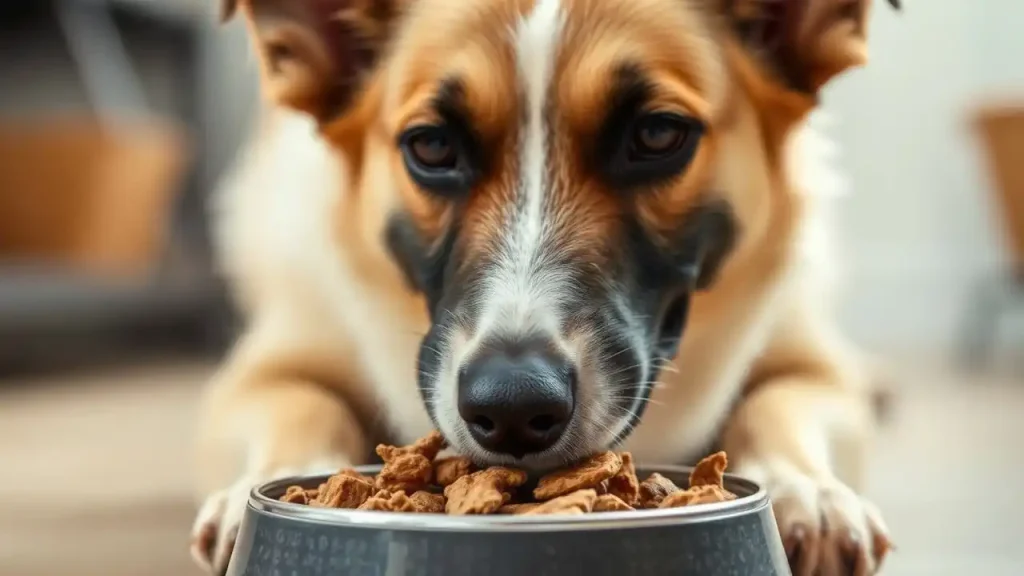
Several top brands excel in producing high-quality dehydrated dog food, leveraging the benefits of dehydration to preserve nutrients effectively. Brands like The Honest Kitchen and Sojos are renowned for offering dehydrated pet food that meets the demands of health-conscious pet parents. These brands focus on using wholesome, raw ingredients and ensuring a balance between taste and nutritional value, making them popular choices among dog owners.
Leading Freeze-Dried Dog Food Options
In the realm of freeze-dried dog food, brands such as Stella & Chewy’s and Primal Pet Foods lead the market. These companies specialize in freeze-dried raw and dehydrated options that cater to the needs of pet parents seeking to provide a raw food diet without the hassle of refrigeration. Their products are crafted to retain maximum nutrients and enzymes, making them a preferred choice for those who prioritize raw nutrition.
Recommendations for Dog Treats
For pet parents looking to complement their dog’s diet with nutritious treats, both dehydrated and freeze-dried dog treats offer excellent options. Freeze-dried treats, like those from Orijen and Vital Essentials, retain the raw meat’s flavor and nutrients, making them highly appealing to dogs. Similarly, dehydrated treats, such as those from Zuke’s and Blue Buffalo, provide a healthy alternative to traditional kibble-based treats, ensuring your pet receives a nutritious reward.
